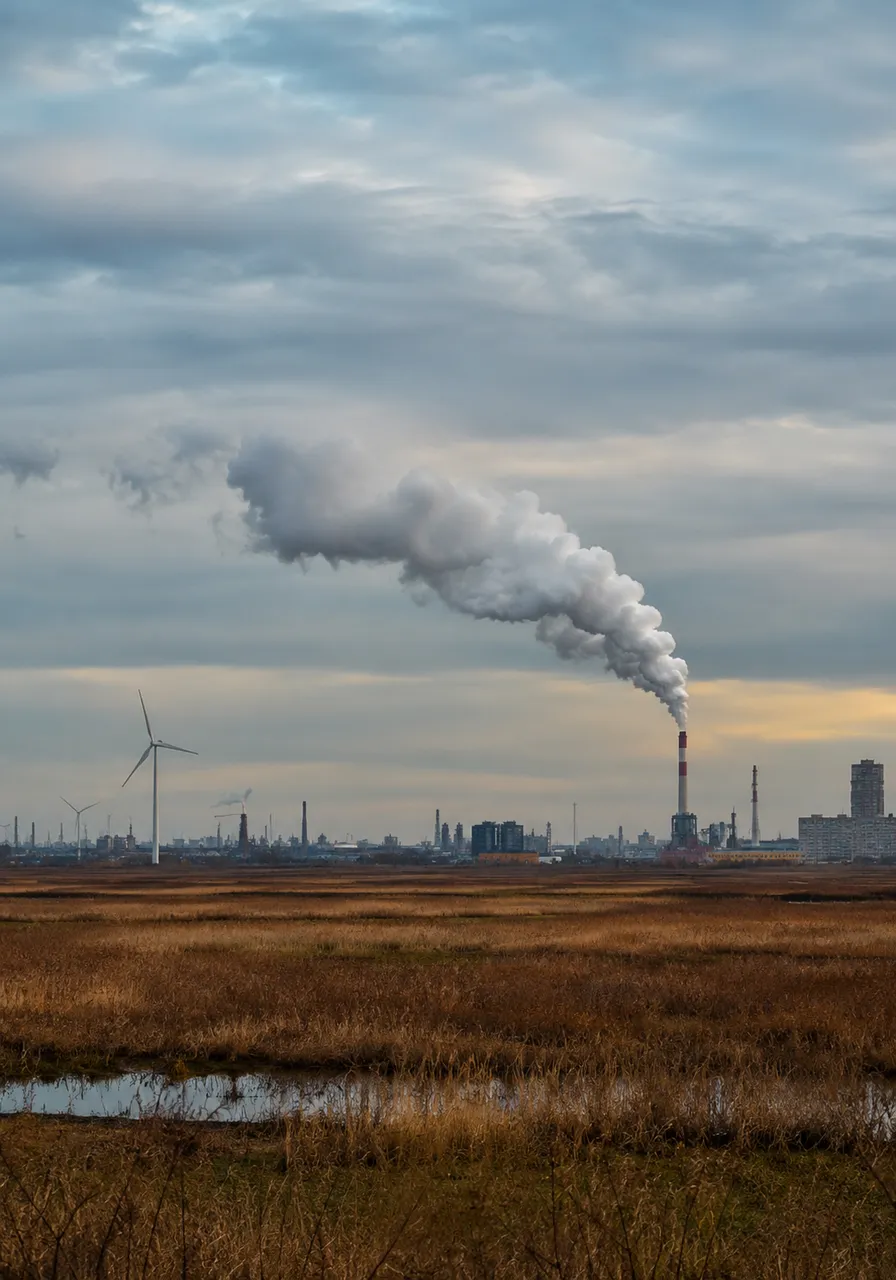
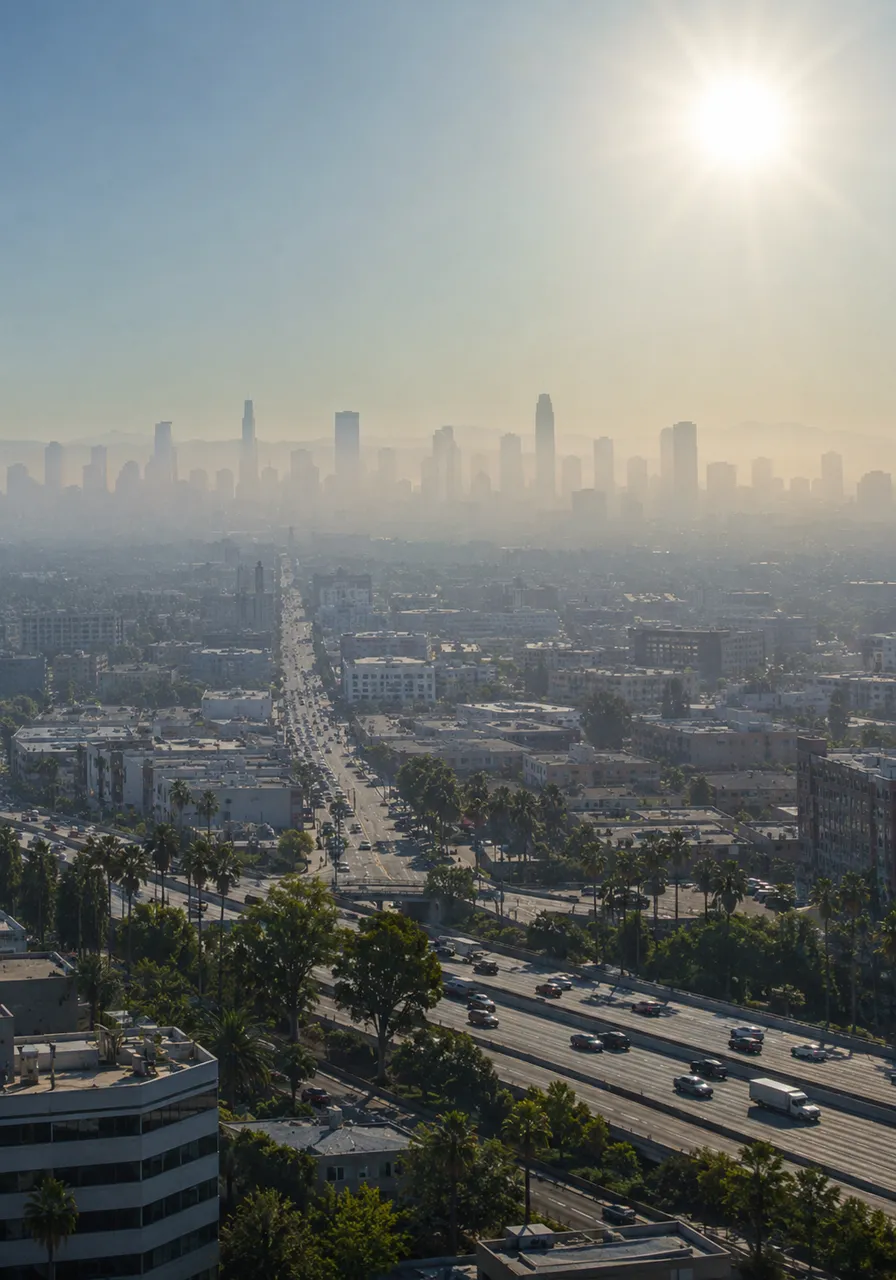
Sources, Evolution, and Physicochemical Processes of Air Pollution
We track the distribution and long-term evolution of ozone, fine particles, reactive nitrogen, radicals, and other atmospheric constituents, quantifying their natural and anthropogenic sources, chemical transformation, regional transport, deposition, and response to pollution control.
Why it matters
Air pollution, especially ozone and fine particulate matter, remains a major environmental challenge in China and around the world. Pollutants and their precursors undergo emissions, chemical transformation, transport, dispersion, and deposition under changing sunlight, temperature, and meteorological conditions. Our research follows these changes, identifies the human and natural processes behind them, and provides scientific evidence for understanding pollution formation and designing more effective air-quality policies.
Topic
Trends in Air Pollutants and Atmospheric Oxidation
We integrate ground, aircraft, ozonesonde, satellite, and chemical model evidence to track long-term changes in ozone, radicals, and other key components of atmospheric oxidation.
Our contributions
- The group has identified substantial tropospheric ozone increases globally and over East Asia, divergent surface ozone trends across Northern Hemisphere cities, and rapid strengthening of nighttime atmospheric oxidation.
Paper
 Featured
 our team
Deciphering decadal urban ozone trends from historical records since 1980
Representative work for Trends in Air Pollutants and Atmospheric Oxidation.
Featuredour teamFeatured Latestour teamFeaturedour team
Global tropospheric ozone trends, attributions, and radiative impacts in 1995–2017: an integrated analysis using aircraft (IAGOS) observations, ozonesonde, and multi-decadal chemical model simulations
Representative work for Trends in Air Pollutants and Atmospheric Oxidation.
our teamRelated people







Natural and Anthropogenic Sources and Chemical Transformation of reactive tracers
We quantify natural and human sources of precursors for PM, ozone, and related pollutants, and evaluate how they shape atmospheric chemical formation and evolution.
Our contributions
- The group has revealed the influence of soil reactive nitrogen in China and wildfire emissions in Africa and the United States on global atmospheric chemistry and regional air quality.
Paper
Featuredour teamThe underappreciated role of agricultural soil nitrogen oxide emissions in ozone pollution regulation in North China
Representative work for Natural and Anthropogenic Sources and Chemical Transformation.
Featuredour teamSoil Emissions of Reactive Nitrogen Accelerate Summertime Surface Ozone Increases in the North China Plain
Representative work for Natural and Anthropogenic Sources and Chemical Transformation.
Latestour teamour teamLatestour teamRelated people
Meteorological Impacts on Air Pollution
We study how meteorological factors, boundary-layer processes, and synoptic-scale weather regulate the evolution and structure of regional air pollution.
Our contributions
- The group has clarified mechanisms behind the strong temperature-ozone relationship and examined how enhanced boundary-layer mixing, subtropical highs, and typhoon peripheral circulation affect surface pollution.
Paper
FeaturedLatestour teamAnthropogenic emission controls reduce summertime ozone–temperature sensitivity in the United States
Featuredour teamNighttime ozone in the lower boundary layer: insights from 3-year tower-based measurements in South China and regional air quality modeling
Representative work for Meteorological Controls on Air Pollution.
Featuredour teamLatestour team